
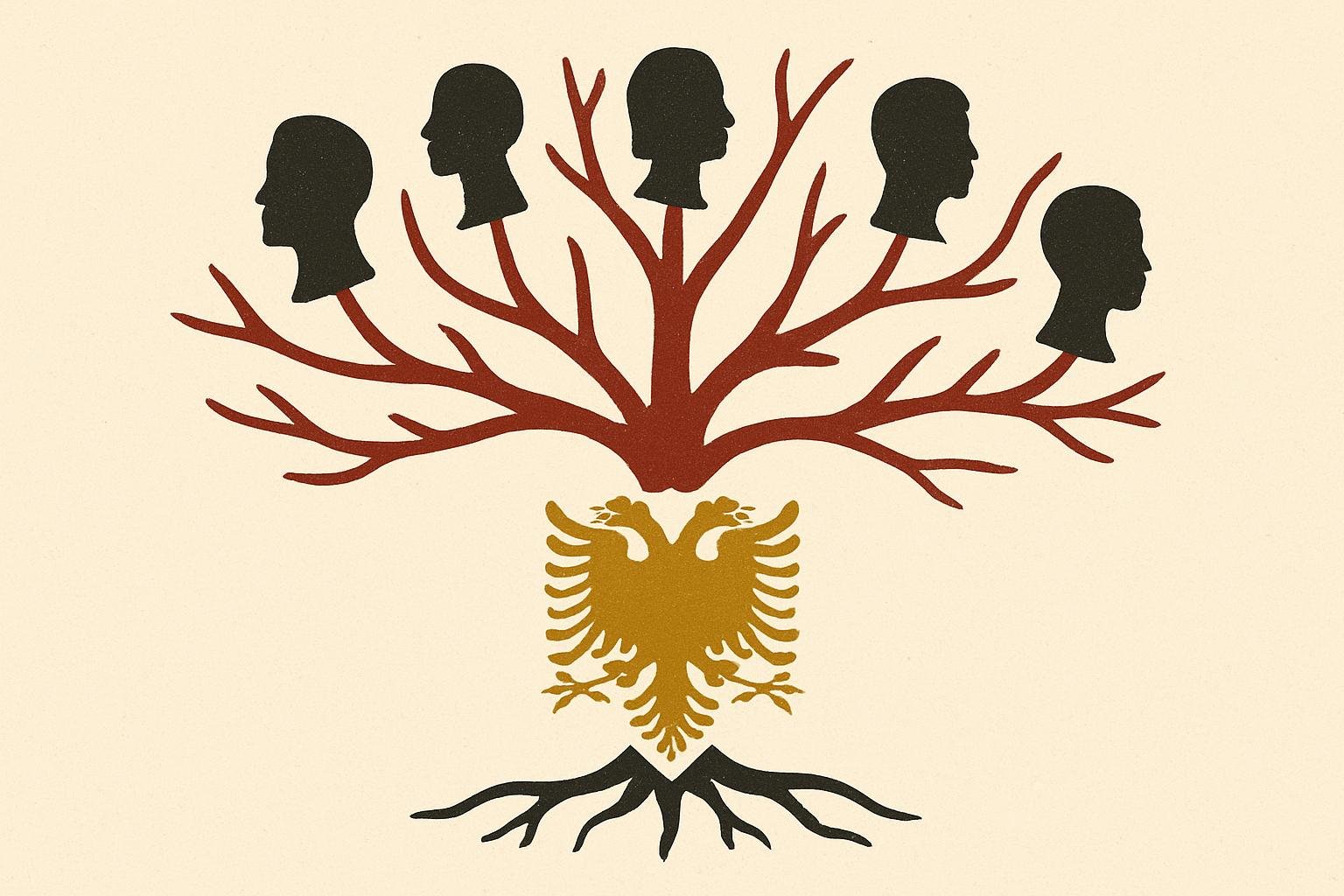
Mund të jesh tashmë shtetas shqiptar dhe të mos e dish. Nëse në vijën tënde të drejtpërdrejtë ke një prind, gjysh ose stërgjysh shqiptar, ligji i vitit 2020 të llogarit tashmë. Por nuk e ke provuar kurrë në letër. Ky udhëzues ka të bëjë me mbylljen e atij hendeku — versioni praktik, dokument pas dokumenti, për njerëzit në Shtetet e Bashkuara.
Nëse nuk je i sigurt që kualifikohesh që në krye, nis me pasqyrën e përgjithshme: a je ende shtetas shqiptar? Ajo i përgjigjet pyetjes kush. Kjo faqe i përgjigjet pyetjes si.
Së pari, kupto çfarë po bën
Dy gjëra ngatërrohen vazhdimisht, prandaj ia vlen t’i ndajmë para se të shpenzosh një dollar.
Shtetësia është një status ligjor. Sipas Ligjit 113/2020, shtetësia kalon me prejardhje përgjatë tri brezave — një prind, një gjysh ose një stërgjysh që ka qenë shtetas shqiptar ose shqiptar etnik i lindur në Shqipëri, Kosovë, Maqedoni të Veriut, Mal të Zi ose Çamëri. Nëse kjo e përshkruan vijën tënde, je tashmë shtetas. Askush nuk ta jep. Marrja e shtetësisë në SHBA nuk ta hoqi — Shqipëria e lejon shtetësinë e dyfishtë pa kufizim, sipas Nenit 7, pa kërkuar heqje dorë.
Pasaporta është një dokument. Është çështje më vete dhe gjysma më e lehtë e punës. Ajo që i duhet pjesës më të madhe të diasporës nuk është të bëhet shtetas, por të provojë shtetësinë që e ka tashmë, ta konfirmojë me shkrim dhe pastaj të marrë pasaportën që vjen më pas.
Pra puna ndahet në dy faza: së pari e dokumenton statusin, pastaj aplikon për dokumentin e udhëtimit. Koha harxhohet te faza e parë.
Procesi hap pas hapi
1. Vizato zinxhirin tënd të prejardhjes
Para se të mbledhësh ndonjë gjë, vizato vijën. Nis nga vetja dhe kthehu pas te paraardhësi shqiptar — ti, prindi yt, pastaj prindi i tij, pastaj prindi i tij. Tre breza lart është kufiri. Një stërgjysh llogaritet; një katragjysh jo.
Çdo hallkë e asaj vije duhet dokumentuar. Nëse e kërkon përmes një gjysheje, të duhen dokumente që të lidhin ty me prindin, prindin me atë gjyshe dhe gjyshen me Shqipërinë. Mjafton një hendek i vetëm për ta prishur kërkesën. Ky është vendi më i zakonshëm ku procesi ngec, prandaj vizatoje vijën me ndershmëri që në fillim dhe zbulo se ku janë dokumentet që mungojnë para se të nisësh të paguash për pjesën tjetër.
2. Mblidh dokumentet e gjendjes civile
Për një aplikant në SHBA, dosja ndërtohet nga:
- Certifikata jote e lindjes.
- Zinxhiri i dokumenteve që të lidh me paraardhësin kualifikues — certifikata lindjeje dhe, kur është e nevojshme, martese për secilin brez të ndërmjetëm.
- Certifikata shqiptare e lindjes e paraardhësit shqiptar — dokumenti që e ankoron gjithë kërkesën në Shqipëri.
- Një dëshmi penaliteti nga FBI-ja.
Dokumentet amerikane porositi si kopje të certifikuara nga shteti ose qarku që i ka lëshuar. Certifikata e paraardhësit shqiptar merret nga zyra e gjendjes civile në Shqipëri; nëse nuk e ke, zakonisht rruga është një i afërm atje ose një kërkesë te bashkia përkatëse.
3. Apostilo çdo dokument
Çdo dokument duhet legalizuar me apostilë para se Shqipëria ta pranojë. Apostilja është një certifikatë e standardizuar, e vendosur nga autoriteti lëshues, që vërteton se një dokument është i vërtetë për përdorim në një vend tjetër. Në SHBA, apostilat vijnë nga Sekretari i Shtetit i atij shteti që e lëshoi dokumentin dhe nga Departamenti i Shtetit i SHBA-së për dokumente federale si dëshmia e FBI-së. Çdo pjesë e dosjes merr të vetën. Ky hap nuk anashkalohet — një dokument pa apostilë trajtohet si i paverifikueshëm.
4. Merr përkthime të certifikuara
Pastaj çdo dokument duhet përkthyer në shqip nga një përkthyes i autorizuar nga Ministria e Drejtësisë e Shqipërisë. Kjo është e rreptë dhe ia vlen ta përsërisim: një shok dygjuhësh, një i afërm ose një agjenci e përgjithshme përkthimi nuk vlen. Përkthimi duhet të vijë nga një përkthyes i autorizuar, ose dosja refuzohet që në pranim. Gjeje këtë herët, sepse është e lehtë të kesh gjithçka të apostiluar dhe pastaj të humbësh javë duke kërkuar përkthyesin e duhur.
5. Dorëzo dosjen me tarifën
Me dokumentet e mbledhura, të apostiluara dhe të përkthyera, dorëzon dosjen e plotë bashkë me një tarifë prej rreth 30 euro. Nga SHBA mund ta paraqesësh te:
- Ambasada Shqiptare në Uashington, DC,
- Konsullata në Nju-Jork,
- Konsullata e Nderit në Çikago, ose
- drejtpërdrejt në Tiranë.
Konfirmo listën aktuale të dokumenteve dhe hollësitë e dorëzimit me zyrën përkatëse para se të dërgosh ndonjë gjë — misioni që trajton dosjen tënde ka fjalën e fundit për çfarë kërkohet saktësisht dhe në çfarë forme.
6. Prit shqyrtimin dhe dekretin
Dosja shkon në Ministri për shqyrtim. Bëhen kontrolle penaliteti dhe identiteti, e shtetësia konfirmohet me dekret presidencial. Realisht, llogarit gjashtë deri në dymbëdhjetë muaj për këtë fazë. Ky është konfirmimi i statusit që e kishe tashmë — njohja ligjore, në letër, se je shtetas.
7. Apliko për pasaportën
Pasi konfirmohet shtetësia, pasaporta është hapi i fundit i shkurtër — rreth tri deri në katër javë. Ky është dokumenti që të lejon të udhëtosh me të dhe, bashkë me regjistrimin për të votuar nga jashtë, të marrësh pjesë në zgjedhjet shqiptare.
Sa kushton realisht dhe sa zgjat
Nga fillimi deri në fund, nga Shtetet e Bashkuara, llogarit nëntë deri në katërmbëdhjetë muaj dhe rreth 500 deri në 1.300 dollarë. Paratë shkojnë për kopje të certifikuara, apostila, përkthim të autorizuar, kosto korrieri dhe tarifën e dorëzimit. Pjesa më e madhe e kohës në kalendar është shqyrtimi në ministri, jo diçka që e kontrollon ti.
Kujdes: këto shifra janë për Shtetet e Bashkuara. Zyrat ku paraqet dosjen, mënyra si legalizohen dokumentet dhe tarifat e sakta ndryshojnë sipas vendit. Nëse je në Gjermani, Itali, Britani ose kudo tjetër, forma e procesit është e njëjtë, por hollësitë jo. Gjej ambasadën ose konsullatën shqiptare më të afërt dhe konfirmo kërkesat e tyre para se të nisësh.
Ku ngecin njerëzit
Tri gjëra shkaktojnë pjesën më të madhe të vonesave. Një zinxhir i thyer — një certifikatë lindjeje ose martese që mungon në brezat e mesit — është i pari; gjej hendeqet para se të paguash për përkthime. Përkthimi i bërë nga personi i gabuar është i dyti; vlen vetëm një përkthyes i autorizuar nga Ministria e Drejtësisë. Dhe apostilat që mungojnë te një ose dy dokumente do ta kthejnë mbrapsht një dosje përndryshe të plotë. Zgjidhi këto tri gjëra që herët dhe pjesa tjetër është durim.
Ky është informacion i përgjithshëm, jo këshillë ligjore. Rregullat, zyrat dhe tarifat ndryshojnë sipas vendit. Konfirmo hollësitë për situatën tënde me ambasadën ose konsullatën shqiptare më të afërt para se të nisësh.
Nëse po punon drejt shtetësisë që vota jote të numërohet nga jashtë, shto emrin tënd — na ndihmon të shohim kush është tashmë gati me dokumente dhe kush ende duhet ta mbyllë hendekun. Shto emrin tënd.