
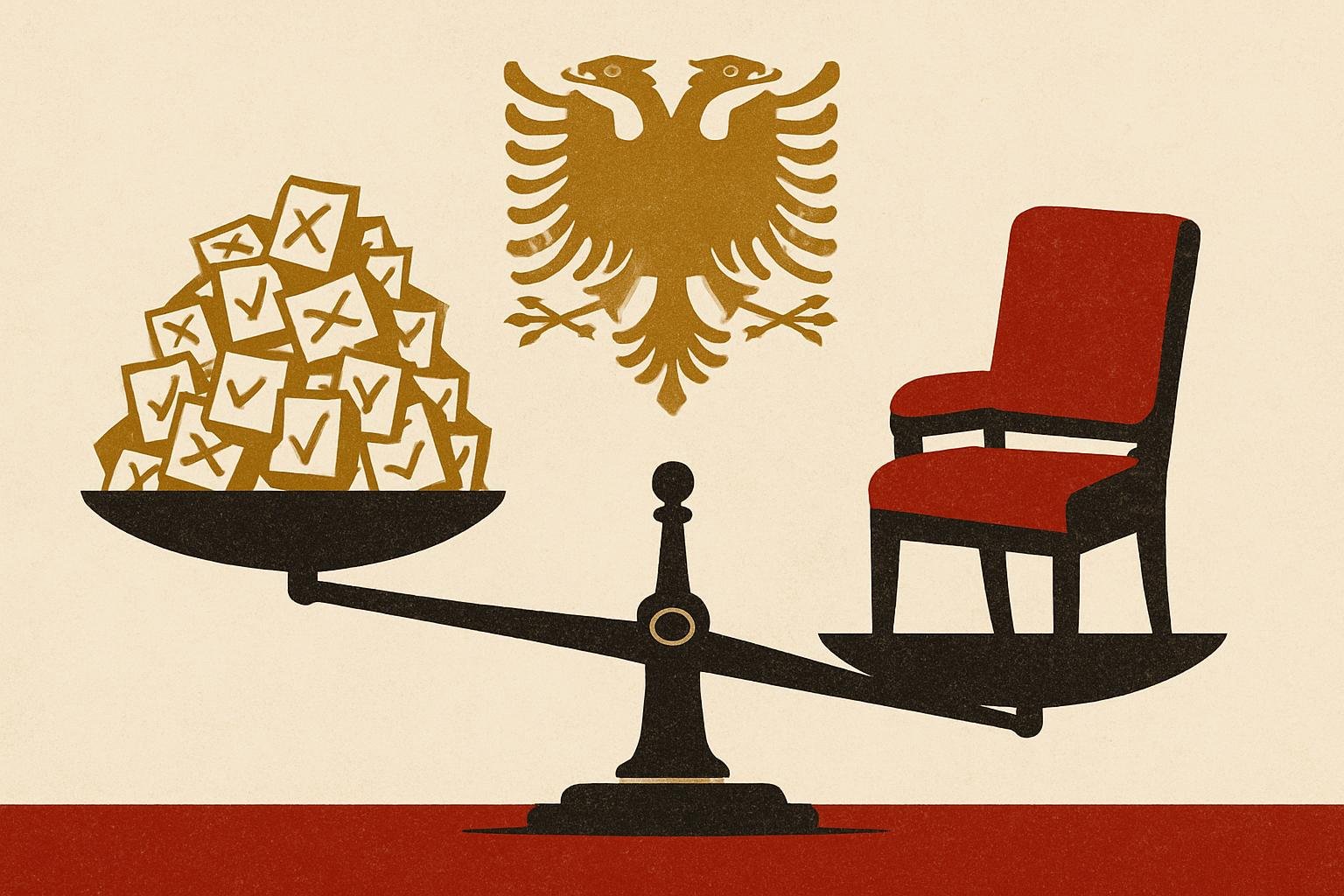
Pesë demokraci u rezervojnë tashmë ulëse shtetasve të tyre jashtë — njësia mbarëbotërore e Italisë, njëmbëdhjetë njësitë jashtë vendit të Francës, ulëset e fiksuara në Kroaci, Portugali dhe Rumani. Por të njohësh destinacionin nuk është njësoj si të njohësh rrugën. Pyetja më e dobishme për një diasporë që kërkon të njëjtën gjë është se si erdhën në jetë ato ulëse që në fillim.
Përgjigjja e ndershme është arsyeja pse e nisim me të: askush nuk e fiton një ulëse të diasporës me një peticion.
Një ulëse është ligj, jo favor
Ulëset e rezervuara për shtetasit jashtë nuk shpërndahen si gjeste vullneti të mirë. Secila prej tyre u shkrua në ligj nga një parlament kombëtar, e u desh një shumicë ligjvënësish që të votonin po për ta vënë atje.
Në Shqipëri, kjo do të thotë shumicë e cilësuar. Ndryshimi i kodit zgjedhor kërkon 84 nga 140 ulëset e Kuvendit; ndryshimi i kushtetutës kërkon 94. Asnjë parti e vetme nuk i ka sot. Një qark i diasporës bëhet ligj vetëm kur aq deputetë sa duhen vendosin ta miratojnë.
Një fushatë e shqiptarëve jashtë nuk e shkruan ligjin. Ajo që bën është të ndryshojë llogaritjen rreth tij — derisa miratimi i qarkut të bëhet lëvizja e arsyeshme dhe refuzimi lëvizja e kushtueshme. Penën e mban parlamenti. Por është presioni ai që ia lëviz dorën.
Pesë demokraci e bënë tashmë
Para mekanikës, prova. Kur njerëzit dëgjojnë për herë të parë për idenë e ulëseve të rezervuara për diasporën, ajo mund të tingëllojë si një favor i posaçëm — një rregullim i ri i shpikur për të zgjidhur një problem shqiptar. Nuk është as i ri, as i posaçëm. Disa nga demokracitë më të vjetra të Evropës vendosën vite më parë që shtetasit që jetojnë jashtë duhet të zgjedhin përfaqësuesit e tyre dhe i ndërtuan ulëset për ta bërë këtë. Mekanizmi është i kuptuar mirë, i provuar në disa cikle zgjedhore dhe i shkruar në ligj pikërisht tani në të paktën pesë vende.
Italia: një njësi e tërë zgjedhore për shtetasit jashtë. Italia ka versionin më të plotë të idesë. Ajo e trajton gjithë botën jashtë kufijve të vet si një njësi të vetme zgjedhore jashtë vendit — Circoscrizione Estero — të ndarë në katër zona gjeografike: Evropën, Amerikën e Jugut, Amerikën e Veriut e Qendrore dhe pjesën e mbetur të botës. Italianët jashtë nuk votojnë në provincën që la familja e tyre; ata votojnë si italianë jashtë vendit dhe zgjedhin deputetët e tyre në të dyja dhomat — aktualisht tetë deputetë dhe katër senatorë të dërguar në Romë me një detyrë të vetme: të përfaqësojnë italianët jashtë vendit. Numri ka ndryshuar (ishte më i madh para një reforme të vitit 2020 që zvogëloi madhësinë e parlamentit), por struktura ka mbetur që nga vota e parë jashtë vendit në vitin 2006. Një italian në Toronto dhe një italian në Buenos-Aires nuk shpërndahen sërish nëpër Sicili e Lombardi. Ata numërohen bashkë dhe pesha e tyre e përbashkët zgjedh njerëz të vërtetë.
Franca: njëmbëdhjetë njësi të vizatuara nëpër hartën e botës. Franca zgjodhi një rrugë tjetër drejt të njëjtit destinacion. Në vend të një njësie të vetme mbarëbotërore, ajo e ndau planetin në njëmbëdhjetë njësi zgjedhore për shtetasit francezë jashtë, ku secila zgjedh nga një anëtar në Asamblenë Kombëtare — një njësi për Shtetet e Bashkuara dhe Kanadanë, një tjetër për Evropën Veriore, një tjetër për Afrikën — që së bashku përfaqësojnë afërsisht 1,7 milionë votues francezë që jetojnë jashtë Francës. Reforma u bë ligj në vitin 2010 dhe të parët nga këta deputetë — députés des Français de l’étranger — morën ulëset e tyre në vitin 2012, anëtarë të plotë me të njëjtat kompetenca si çdo deputet i zgjedhur brenda Francës. Parimi është i njëjtë me atë të Italisë: komuniteti jashtë vendit përfaqësohet si vetvetja, jo i përzier në një njësi të brendshme ku do të zhdukej.
Kroacia: ulëse që ekzistojnë pavarësisht pjesëmarrjes. Kroacia rezervon ulëse për diasporën e vet përmes një njësie zgjedhore të posaçme, të njëmbëdhjetës, që mbulon shtetasit kroatë që jetojnë jashtë. Sot ajo mban tri ulëse; në vitet e mëparshme numri lëvizte sipas pjesëmarrjes dhe shkonte më lart, dhe shifra e saktë është kundërshtuar e rishikuar më shumë se një herë — por ajo që nuk ndryshon është që qarku i diasporës ekziston si pjesë e fiksuar e parlamentit, Saborit. Historia e Kroacisë është e dobishme pikërisht sepse ka qenë e kundërshtuar: madhësia e bllokut të diasporës ka qenë çështje politike e gjallë për dy dekada. Ky është funksionimi normal i demokracisë — vendet debatojnë se sa ulëse, jo nëse shtetasit jashtë meritojnë ndonjë.
Portugalia: dy rrethe, katër ulëse të fiksuara. Portugalia e mban të thjeshtë. Asambleja e saj e Republikës ka 230 deputetë, katër prej të cilëve zgjidhen nga shtetasit portugezë jashtë përmes dy rretheve zgjedhore jashtë vendit: dy ulëse për emigrantët e regjistruar në Evropë dhe dy për ata të regjistruar jashtë saj. Këto katër ulëse janë të fiksuara. Nuk zgjerohen e nuk tkurren sipas pjesëmarrjes dhe nuk kthehen në asnjë qark të origjinës. Një shtetas portugez në Paris dhe një në Njuark dërgojnë deputetë në Lisbonë që u përgjigjen komunitetit emigrant dhe askujt tjetër — një pjesë e vogël e një parlamenti të madh, por e përhershme dhe e garantuar.
Rumania: ulëse të rezervuara në të dyja dhomat. Rumania, si Italia, i jep diasporës së vet përfaqësim në të dyja dhomat: rumunët jashtë zgjedhin katër deputetë në Dhomën e Deputetëve dhe dy senatorë në Senat — gjashtë përfaqësues gjithsej, kushtuar një komuniteti prej disa milionë rumunësh që jetojnë jashtë vendit. Rumania është një paralele e afërt për Shqipërinë: një komb ballkanik, një diasporë e madhe dhe e shpërndarë, si dhe një histori e ngjashme emigrimi e nxitur nga të njëjtat presione ekonomike. Ajo doli në përfundim, pa shumë polemikë, se shtetasit jashtë duhet të kenë ulëse me emër në parlamentin kombëtar. Ato ulëse plotësohen në çdo zgjedhje.
Modeli që qëndron nën të pesta. Po të heqësh dallimet vendore, secili prej këtyre vendeve po bën të njëjtën gjë: në vend që t’i kthejë votat e shtetasve jashtë prapa në qarqet e origjinës ku shpërndahen e treten, i mbledh ato vota në një njësi zgjedhore të posaçme që zgjedh përfaqësuesit e vet. Italia përdor një njësi mbarëbotërore; Franca përdor njëmbëdhjetë. Disa vende rezervojnë ulëse në të dyja dhomat, të tjera vetëm në një. Numrat e ulëseve ndryshojnë dhe disa kanë ndryshuar me kalimin e kohës. Asgjë nga kjo nuk e prek modelin thelbësor, që është i njëjtë kudo: diaspora voton si diasporë dhe merr ulëset e veta. Nuk është eksperimenti i një vendi që mund të mos vlejë gjetkë — është praktikë e zakonshme evropiane, e zbatuar në pesë mënyra të ndryshme, të gjitha funksionale.
Një qark i diasporës për Shqipërinë do të ishte i njëjti mjet. Shqipëria është e ndarë tashmë në 12 njësi zgjedhore — qarqet; një qark i diasporës do të ishte i trembëdhjeti, krah tyre, me ulëse të rezervuara. Një votë e hedhur nga Nju-Jorku a Milano a Londra nuk do të kthehej më në Tiranë a Shkodër për t’u tretur — do të numërohej brenda qarkut të 13-të, e mbledhur bashkë me çdo votë tjetër të diasporës në një njësi mjaft të madhe sa të zgjedhë përfaqësuesit e vet. Shqipëria nuk do të shpikte asgjë. Zgjidhja është e provuar dhe modelet ligjore ekzistojnë. E vetmja gjë që mungon është vendimi për ta përvetësuar.
Çfarë e anoi peshoren diku tjetër
Shiko nga afër vendet që u kanë dhënë tashmë ulëse diasporave të tyre dhe do të shohësh po ato pak leva sa herë.
- Një bllok që ia vlen ta gjuash. Ulëset e diasporës priren të vijnë kur një parti në pushtet llogarit se mund t’i fitojë ato — ose se nuk përballon dot t’i largojë njerëzit që do t’i plotësonin. Një komunitet jashtë që është i organizuar dhe i numëruar bëhet një elektorat që politikanët e gjuajnë, jo një grup që e presin të tretet.
- Një mbrojtës nga brenda. Njësia e Italisë jashtë vendit ekziston kryesisht sepse një ligjvënës i vendosur kaloi vite duke e shtyrë atë nëpër dhomë. Reforma ka nevojë për miq në sallën ku hidhet vota.
- Presioni nga jashtë. Për një vend në rrugën drejt Bashkimit Evropian, drejtësia zgjedhore nuk është opsionale — ajo matet dhe vlerësohet. Një reformë që një qeveri përndryshe mund ta linte në sirtar bëhet një kusht që duhet plotësuar.
Asnjëra prej tyre nuk është marifet. Secila është një mënyrë për ta rritur koston e thënies jo.
Levat që i ka Shqipëria
Situata e Shqipërisë na jep tri prej atyre levave — dhe e para na përket vetëm neve.
Një votë që s’blihet dot. Në atdhe, zgjedhjet mund të formësohen nga presione që vëzhguesit ndërkombëtarë i kanë dokumentuar prej kohësh — blerja e votave, klientelizmi, pesha e heshtur e kush njeh kë. Një fletë e hedhur nga Nju-Jorku a Mynihu qëndron jashtë gjithë kësaj. Kjo e bën diasporën një burim posaçërisht të pastër dhe posaçërisht të vështirë për t’u drejtuar brenda demokracisë shqiptare — e vetmja levë që askush brenda sistemit nuk mund ta barazojë.
Rruga evropiane. Shqipëria po negocion anëtarësimin e vet në BE, e zgjedhjet e saj peshohen kundrejt standardeve evropiane në çdo hap. Një votë e diasporës e drejtë dhe e numërueshme është pikërisht lloji i reformës që e ka vendin në atë axhendë — lloji që vendi tashmë pritet ta japë.
Numra që peshojnë. Një diasporë e shpërndarë dhe e heshtur është e lehtë për t’u shpërfillur. Një diasporë e organizuar, e numëruar dhe e dukshme është një bllok me të cilin një shumicë qeverisëse duhet të llogarisë. Kjo është leva që e ndërtojmë vetë, një emër pas tjetrit.
Pa iluzione — dhe pa modesti të rreme
Nuk do të pretendojmë se një derë sapo u hap, as se një parlament i kënaqur me gjendjen e sotme do të lëvizë vetë. Kjo kërkon vendosmëri të matur në vite, jo në javë.
Por mos e ngatërro këtë ndershmëri me dyshim për peshën tonë. Pak vite më parë, një shqiptar jashtë nuk mund të votonte fare. Në vitin 2025, për herë të parë në historinë e vendit, votuam — një e drejtë që nuk ekzistonte derisa presioni për ta dhënë u bë tepër i madh për t’u refuzuar. Zëri ynë e ka lëvizur tashmë të palëvizshmen njëherë.
Puna tani është ta organizojmë atë peshë të provuar në të vetmen gjë që një parlament nuk mund ta heqë me dorë: tepër shumë prej nesh, tepër të pastër për t’u blerë, tepër të organizuar për t’u shpërfillur.
Hapi i parë është më i vogli
Çdo levë ecën me të njëjtin karburant: sa prej nesh janë të gatshëm të numërohen. Një e treta e kombit jeton jashtë. Organizoje qoftë edhe një pjesë të saj në një kërkesë të vetme dhe ajo pushon së qeni lutje e bëhet fakt — një bllok të cilit një parlament duhet t’i përgjigjet.
Kjo është ajo që bën emri yt. E kthen një zë të provuar në peshë që askush nuk e heq dot me dorë. Dy minuta, dhe je pjesë e saj. Shto emrin tënd.